
Garage Door Insulation
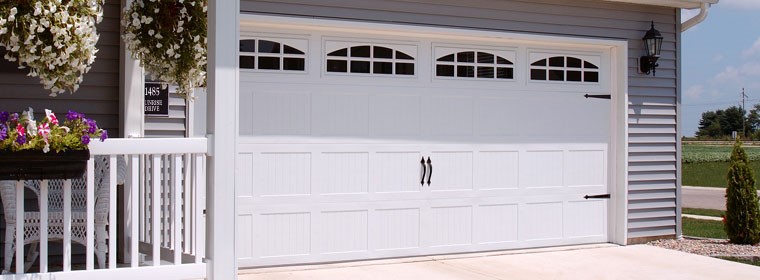
Big Door Means Big Energy Impact- In the case of a garage attached to the house it is a good idea to install a garage door which has an insulated core as well as weather stripping which functions well.
Usually there are two kinds of doors in garages: those that are for people to open and close, and those that are for cars. Both those doors need to be insulated and weather-stripped if the house is to be energy efficient. Insulation in fact improves the performance of energy by reducing the amount o heat which can be transferred. At the same time weather-stripping helps to reduce the amount of air loss.
Garage Door attached to house
The door separating the garage and the house needs to be considered to be an exterior door. This despite the door being inside of the garage. This door needs to be insulated and weather-stripped for maximization of energy efficiency and in addition should be graded for fire proofing as determined by the building codes in the municipality or locality. The kind of garage door used mostly in these instances are those that have a rigid foam core for insulation which is covered by a hyde of either PVC, steel or fiberglass.
Big Garage doors for cars can be insulated too
When considering garage doors, many homeowner have the option to pick insulated versions. They can do so when the house is built or when they are replacing older garage doors. Usually these doors have a core that has foam insulation inside, and also hydes of metal that are textured and detailed to look like they are contoured or varnished.
Having an insulated garage door is costly, but they can pay off their investment. The energy efficiency combines with having a core that is insulated to stop the metal part of the door from being dented.