
Vent Crawl Space- Sealing and Insulating
No more Cold floors, no more mold, moisture and high energy costs.
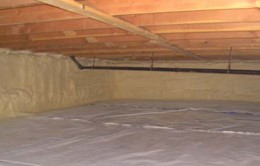
Smart Solution– The technique of encapsulation changes your crawl space from a dirty, damp, dark space, into a brighter, cleaner dryer base that will make your home more comfortable and increase the energy efficiency and home value.
The walls in the foundation have places for air, insects, and pests to get into the areas beneath where you live. If you have a vented crawl pace you could be forced to deal with problems that will affect your health, costs, comfort and home value.
Problems with Crawl Space Insulation
- Nonfunctional/Damaged insulation– Batt insulation installed in the crawl space between the joists. When the batts get wet, they compress and fall out of place, they end up on the floor.
- Mold and Moisture– Moist/Humid air form the exterior gets into the crawl space and condenses the cooler air leading to water. The Joists beams and other wood materials will bring mold. If it is not dealt with, mold will eventually lead to wood rot, which is a serious structural problem, and expensive to repair. Dirt floor will have more moisture problems because of soil moisture.
- High Bills due to Cold floors– cold winter air circulating beneath your living space can make floors cold, boosting your heat costs. Badly damaged fiberglass insulation is a big contributor to this.
- Termites/Carpenter Ants– Both these insects look for dark/damp environments where moist wood exists. Vented crawl spaces are the perfect home for wood-boring pests.
Encapsulating and Insulating Crawl Spaces
All the problems mentioned above can be fixed by sealing and insulating the crawl space. The process of encapsulation involves sealing the crawl space access door, and openings in the vents with removable airtight covers. Moisture barrier- (the heavy duty kind) are installed against the foundation walls and over the floor. In some cases waterproofing and dehumidification may be necessary. What rigid foam does is completely separating the crawl space interior from the exterior conditions. As a result the crawl space will enhance the comfort and value of your home.