Cellulose Insulation
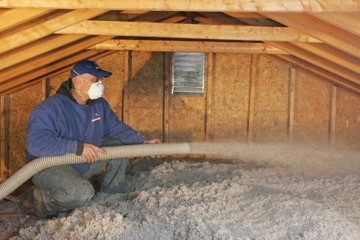
It is possible to blow insulation into various parts of the home. It can be blown into the attic of course, but it can also be blown into the areas between the span and the rafters, and also inside the wall cavities. These serve to make your home energy efficient and more comfortable. When choosing the most affordable option for home energy upgrading, cellulose is the right choice. Cellulose is made from recycled material. It is an environmentalist recommended option. There are many manufacturers of cellulose within the United States. They conduct the magical process of using grind-processing machinery to turn wastepaper into a feathery, light mass with an R-Value of up to R-4 per inch. A borate solution that is non-toxic makes the Cellulose Mold and insects resistant. It also gives the Cellulose a Class 1 fire safety rating. This is the highest of all other products. When produced the cellulose is made into a bale and packed in large bags which are sold directly to the insulation professional installers and also retail distributors.
Types of Cellulose Available:
Cellulose is a very adaptable product to suit the home energy needs of your home. It outperforms fiberglass, yet does not stop the escape of air. In all cases, air sealing should be established before installing new cellulose products. A types of cellulose material are applies using spraying or blowing equipment.
Loose-Fill or Blown Cellulose
This type is often used for unfinished attics. The cellulose is fed into a hopper which shreds the product and then feeds it thorough a long hose.
Densely-Packed Cellulose
This kind of cellulose is used mostly for enclosed spaces and wall cavities. The application process involves drilling a 2 inch diameter holes into the cavities, inserting a nozzle and pushing through the insulation. When the job is over the holes are patched and finished.
Wet Spray Cellulose
New construction offers open stud bays with easy access. Often times, water or a binder compound will be added to the insulation to create an adhesive affect to the other parts of the building. Contact us at the Home Insulators to get a Free Quote for environmental friendly upgrades.