Roof Insulation
Giving your roof insulation in place of your attic might be the better choice for certain houses
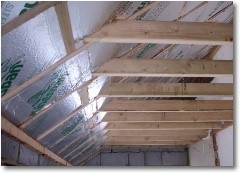
An uninterrupted layer of rigid foam insulation placed just underneath rafters is the signature of Super
Attic® insulation.
To improve energy efficiency the top of the house needs to be considered as a valuable source. When the weather is cold, warmth needs to be stopped from escaping.
When the weather is hot, like on summer days, having an extra layer of protection within the roof structure or the attic will stop blazing-hot roof temperatures from creeping into your homes living space.
Combined with air-sealing attic insulation and roof insulation wills top rooms from varying in temperature. This, all the while reducing your energy cost.
If your attic is filled with storage or HVAC equipment insulated your roof instead is the best strategy
If most, or a large proportion of your attic floor is used as storage space, or if your attic houses HVAC equipment such as ductwork and air handles or if you would like to one day convert your attic into a living space, then installing roof insulation is the right choice. Your home will be more comfortable and less costly to maintain.
With the installation of roof insulation your attic space comes into the buildings “envelope”, similar to shell that separates the insides of the house from the exterior. As a result the temperature in the attic will be similar to the rest of the house.
Extremely Efficient Brilliant Insulation Systems
At the home insulator we lead the pack in smart roof insulation systems. Your home’s architecture, you budgets and other variables, two systems of roof insulation can give you the results you are looking for.
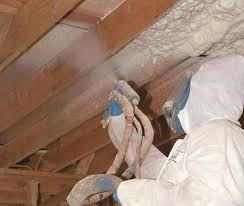
Spray foam insulation– is placed between the rafters. It only needs a small amount because of the foams expansion into the living space.
Silverglo™- Silverglo is a system that has thick panels underneath the rafters. This builds an uninterrupted thermal barrier that also stops air from escaping from the envelope.
Spray foam insulation- Some roofs are more complicated than others. These often are not best matched for Silverglo boards. Rather, spray polyurethane foam (SPF) can be installed. SPF works by combining two liquids just before applying creating a “foaming” effect. The foam expands and fills in the spaces between the rafters and everything else. The R-Value is high for spray foam and the insulation layer is permanent. No air or water can pass through. At The Home Insulators we can work with you to see what the building dictates and make the process as easy as possible.
Don’t neglect your Attic
The Home Insulators have state of the art, budget friendly options for roof insulation. This includes the attic and other parts of your home. To less effect your wallet and make your home more comfortable call The Home Insulators to find out more about the advantages of attic roof insulation or other forms of home insulation.