Making the Right Choice for Attic Insulation
What is the right choice for your attic?
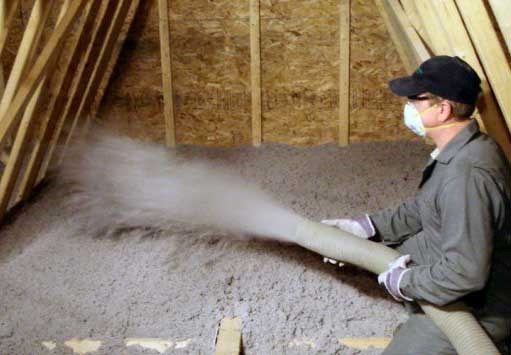
Cellulose Insulation Blown Over the Floor of the Attic
Insufficient insulation makes many homes expensive to heat and cool and at times uncomfortable. But these can be remedy with attic insulations solutions by The Home Insulators permanently.
Your heating can cooling costs can be cut by up to 40% with proper sealing and insulating.
Customized Solution for your Attic
Every attic has its own design. Because of this, having an export who can plan for the best fit in your home can save you money. Extra space for storage, ductwork and HVAC equipment all play a part in the best insulation. You can expect us to have the widest and best selection of quality materials. Our upgrades will last you for the duration. We will outperform and give the best value.
Choices offered by the Home Insulators
- Cellulose
- Spray Foam- the R – value is high and has a all-encompassing air and thermal barrier. It can be applied in many different ways.
- Rigid Foam- the panels have a high R-value. They are outperform in the basement and in the attic. They also cannot be damaged with moisture.
Fiberglass- Fiberglass can be both blow-in and in the form of batts with different thickness.
Mineral Wool- mineral wool is made for chimneys and flues. It is mad of mineral fiber in the form of batts and panels.
Recessed Lighting
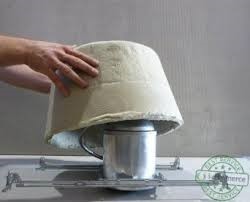
Recessed lights can be responsible for losing air and wasted energy if they are not sealed. An air tight, code approved seal can be critical to saving energy
Air Sealing Is essential for all attic insulation upgrades. Without air sealing your living space is not maximizing energy use. This is critical most in the wintertime. As air rises in your home, it can escape to the attic leaving your room cold and causing drafts. Our experts and quality seals can stop energy from escaping.