Reflective Material for Insulation-The Radiant Barrier

The Experts at The Home Insulators can help you to find the right solution to cool your attic.

Just Like your Car

When your car has been under the sun for an extended period of time it gets extremely hot. Every part of the interior car is practically steaming. How does this happen. The reason for this is Radiant Energy from , you guessed it, The Sun. The solar heat builds in the car because of the greenhouse effect. This can happen in your attic as well in the hot summer months. The attic temperature can creep up to 120 degrees making the rest of your house warmer and making your Air Conditioning system work harder than it needs to. As a result more energy is wasted and the comfort level of your home is reduced.
Reflecting Away Heat
An attic radiant barrier can reflect as much as 97% of the heat from the sun’s heat back toward the outside of the house. This will cause a reduction in the heat gains and lower your air conditioning costs. This has the opposite effect in the winter time. The warmth and heat from the inside of your home is reflected back toward the living area. Having and a Radiant barrier can cut Air conditioning expenses by 10% or even more. If you live in a warmer climate, then you can expect better result because of the workload placed on the AC.
The Silver Lining- Radiant Barriers in your Attic
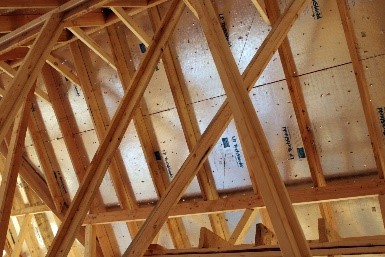
Reflective Insulation from a Radiant barrier installed in your home is an energy saving intelligent choice. Even if you do not live in a warmer climate this may still be the choice for you especially if your attic has HVAC equipment or air conditioning. Let the Professionals at The Home Insulator install a radiant barrier that will reflect the heat and protect the rafters and eventually boost cooling effectiveness in the summer and heating in the winter.
There are many kinds of reflective barriers. One design consists of a thin plastic sheet with a shiny, reflective finish. This can be placed on one or both sides. Another design has the same look as bubble wrap. Except this particular kind has a bright, shiny coating. The air inside the small bubbles help the process of insulation. Both these are easy to install, all that it requires is laying them on top of the insulation. However, these sheets reduce their reflecting ability over time because of dust buildup.
Paint-At the Home Insulators we can use paint to protect against the elements and make the lighting brighter, for those who need storage or want to use the space. With many items in the attic, gaining a path to the attic can be challenging. In these situations we recommend a Spray-On Radiant barrier. The bright shiny coat applied directly to the sheathing of the roof, is a practical way to get extra energy saving. It does not produce as good results as a radiant barrier, but it might be the more maneuverable choice